
How to Talk with Survivors
Supporting a survivor of domestic violence can make a meaningful difference in their life. Helping a friend, a child, or a young person, listening without judgment, believing their experiences, and offering support can empower them to take the next steps.
There are things you can do to support a survivor.
Supporting a Friend or Loved One
If someone you care about is experiencing abuse, they may feel trapped, afraid, or unsure about what to do next. Your support matters.
How to Help
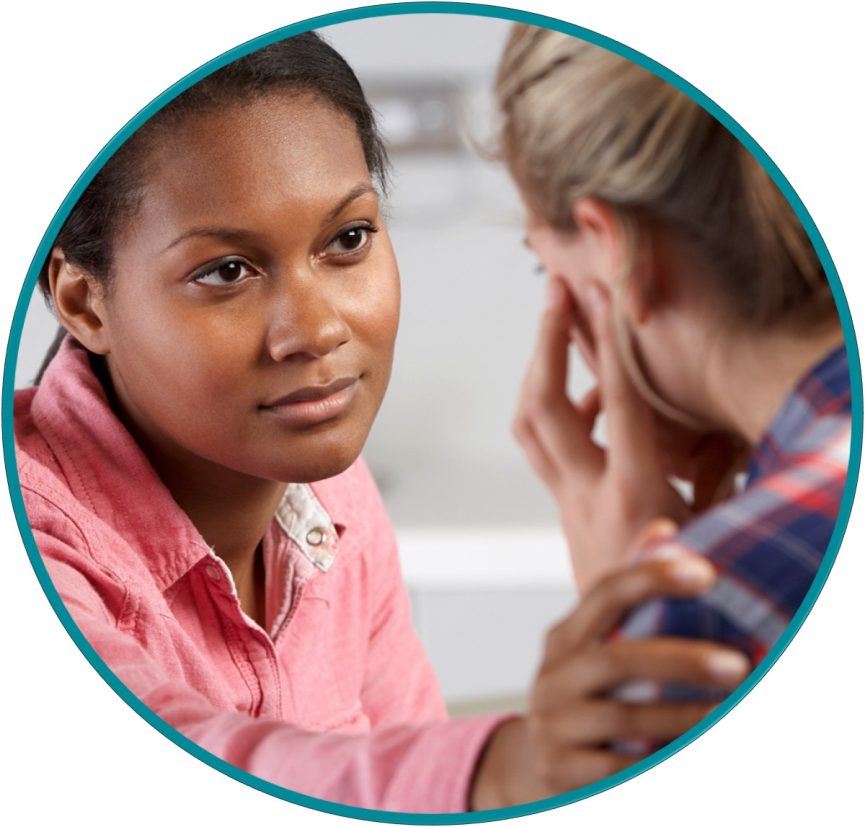
- Listen without judgment – Let them share their experience in their own time. Avoid pressuring them to leave or telling them what to do.
- Believe them – Many survivors fear they won’t be believed. Reassure them that you take their experience seriously.
- Validate their feelings – Acknowledge their emotions. Don’t minimize their experiences. Statements like “You don’t deserve this” and “It’s not your fault” can be powerful.
- Offer support, not solutions – Ask, “How can I support you?” instead of giving direct advice. Encourage them to make their own decisions.
- Respect their choices – Leaving an abusive relationship can be dangerous. Survivors know their situation best. They know when they feel ready and safe to leave.
- Encourage professional help – If the survivor is a King County resident, provide the DVHopeline (206-737-0242) for confidential support. Outside of King County, provide the National Domestic Violence Hotline (1-800-799-7233).
Supporting Children Witnessing Abuse
Children who witness domestic violence can experience confusion, fear, and stress. They may blame themselves. They might struggle to express their emotions. Providing safety, stability, and emotional reassurance can help.
How to Help

- Reassure them – Let them know they are safe. The abuse is not their fault.
- Encourage open communication – Allow them to talk about their feelings if they choose to. Don’t force them to share.
- Provide consistency – Routine and stability can help children feel more secure.
- Validate their emotions – Help them understand that all feelings—fear, anger, sadness—are normal.
- Model healthy relationships – Show them what kind, respectful, safe interactions look like.
- Seek professional support – Therapy and counseling can help children process their experiences in a safe environment.
If you or a child in your life needs support, LifeWire provides advocacy and resources to help families rebuild safety and stability. If you are a King County resident, reach out to the DVHopeline (206-737-0242) for confidential support. Outside of King County, call the National Domestic Violence Hotline (1-800-799-7233).
Supporting Young People
Teens and young adults may not always recognize abusive behaviors in their relationships. They may mistake control or jealousy for love. They might feel pressure to stay silent.
Signs of an Unhealthy Relationship
- Jealousy and control – A partner checks their phone, isolates them from friends or family, limits their hobbies or school activities, or demands passwords to devices. They might insist that constant location sharing and texting are about love instead of control.
- Verbal or emotional abuse – Insults, threats, embarrassing comments or behavior, or constant put-downs.
- Physical aggression – Pushing, grabbing, hitting, forced touching, or threats of violence.
- Digital abuse – Cyberstalking, sharing or using AI to generate private photos without consent, or excessive texting/calling.
How to Help

- Listen without judging – Teens may feel embarrassed or defensive. Create a safe space for them to talk.
- Validate their experiences – Avoid downplaying their feelings. Let them know what they’re experiencing isn’t normal or okay.
- Encourage them to set boundaries – Talk about what respect, consent, and safety look like in a healthy relationship.
- Provide resources – Share LifeWire’s support services or the Love Is Respect helpline (call 866-331-9474, or text “LOVEIS” to 22522) for confidential guidance.
Young people deserve safe, respectful relationships. If someone you know needs help, LifeWire is here to support them.
Listen, believe, and offer encouragement without pressure. Survivors of all ages need compassion, patience, and support as they rebuild their self-worth and navigate their path to safety.